Capability axis
Identity, state, valuation, propagation, forensics, decision, evidence and authoring.

Kindynos separates domain content from reusable analytical machinery while preserving model identity, state, evidence, stakeholder consequence and refusal.
Identity, state, valuation, propagation, forensics, decision, evidence and authoring.
Assets, stakeholders, events, contracts, conditions, regulations and model bindings.
Graphical environment, API, chat, MCP, CLI, workbench and reports.
EVA, KAILA, CSUITE, STAR and specialist domain intelligence.
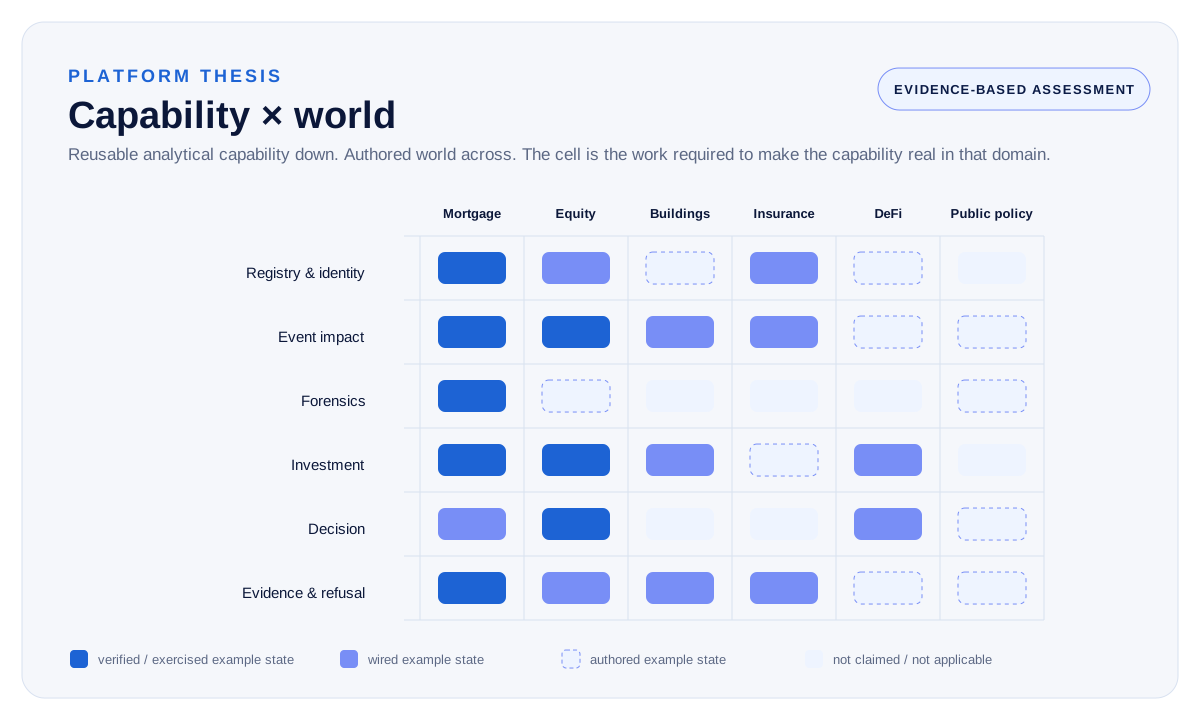
Kindynos organizes the estate as a capability-by-world matrix. Shared analytical machinery combines with each domain’s authored content, resolved bindings, exercised paths and evidence.
The architecture keeps authoritative computation inspectable and governed, while language models assist authoring, retrieval and explanation.
Assets, parties, models, positions and worlds remain identifiable across time and systems.
Earlier events and decisions can write state that later events read.
Applicable versions, required inputs and source hierarchy are explicit.
The same position is valued before and after the event; the consequence is the difference.
Each position can resolve its own model and produce a stakeholder-specific result.
Evidence accompanies the result; missing required machinery produces a named refusal.
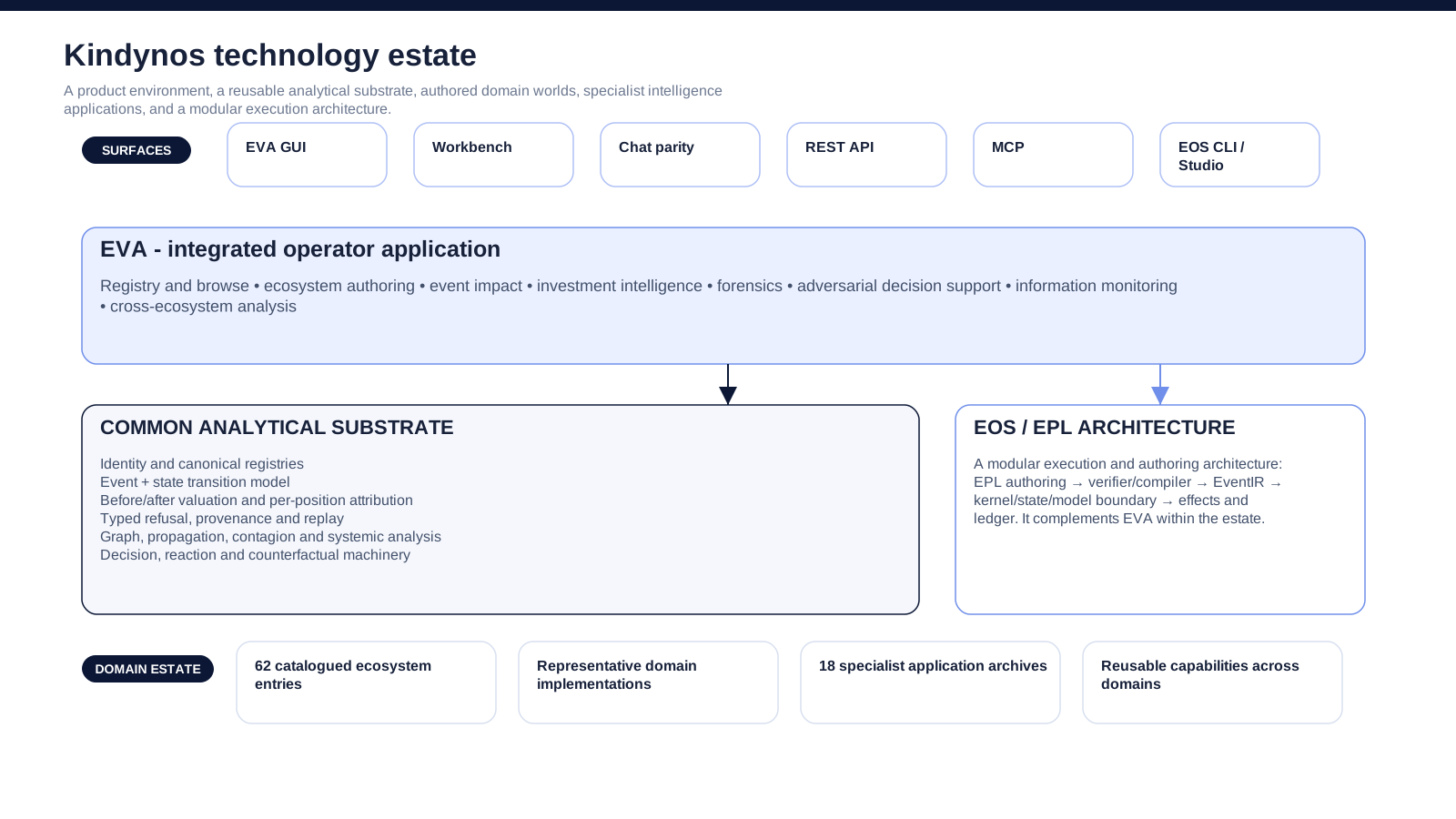
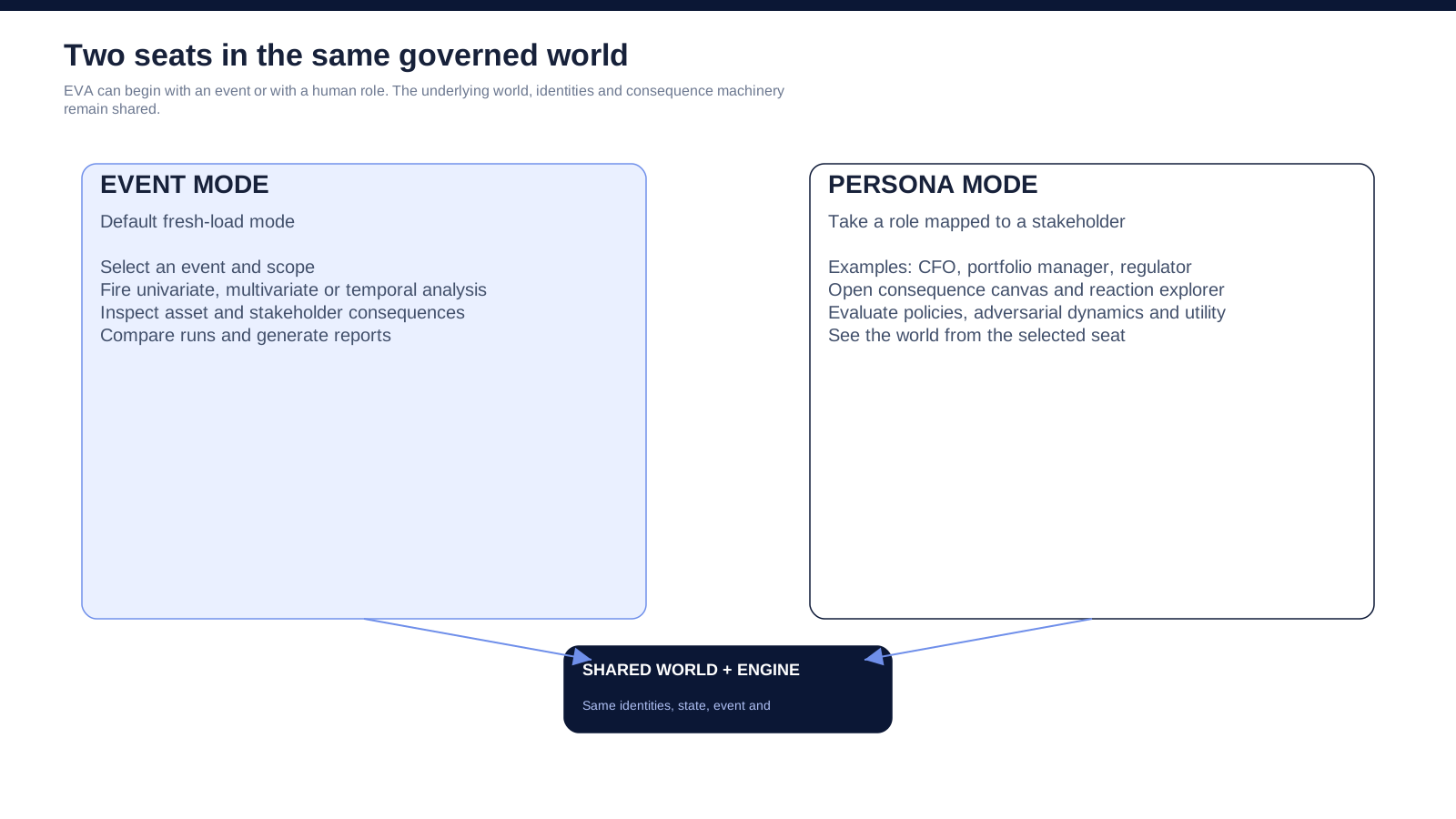
EVA is the broadest visible Kindynos environment. It combines registry and browse layers, event-impact analysis, ecosystem authoring, model inputs, graph capabilities, investment tooling, forensics, decision analysis and evidence surfaces.
Its interfaces organize a broad capability estate into registries, guided workflows, analytical workbenches and specialist views.
This taxonomy maps directly to the product architecture.
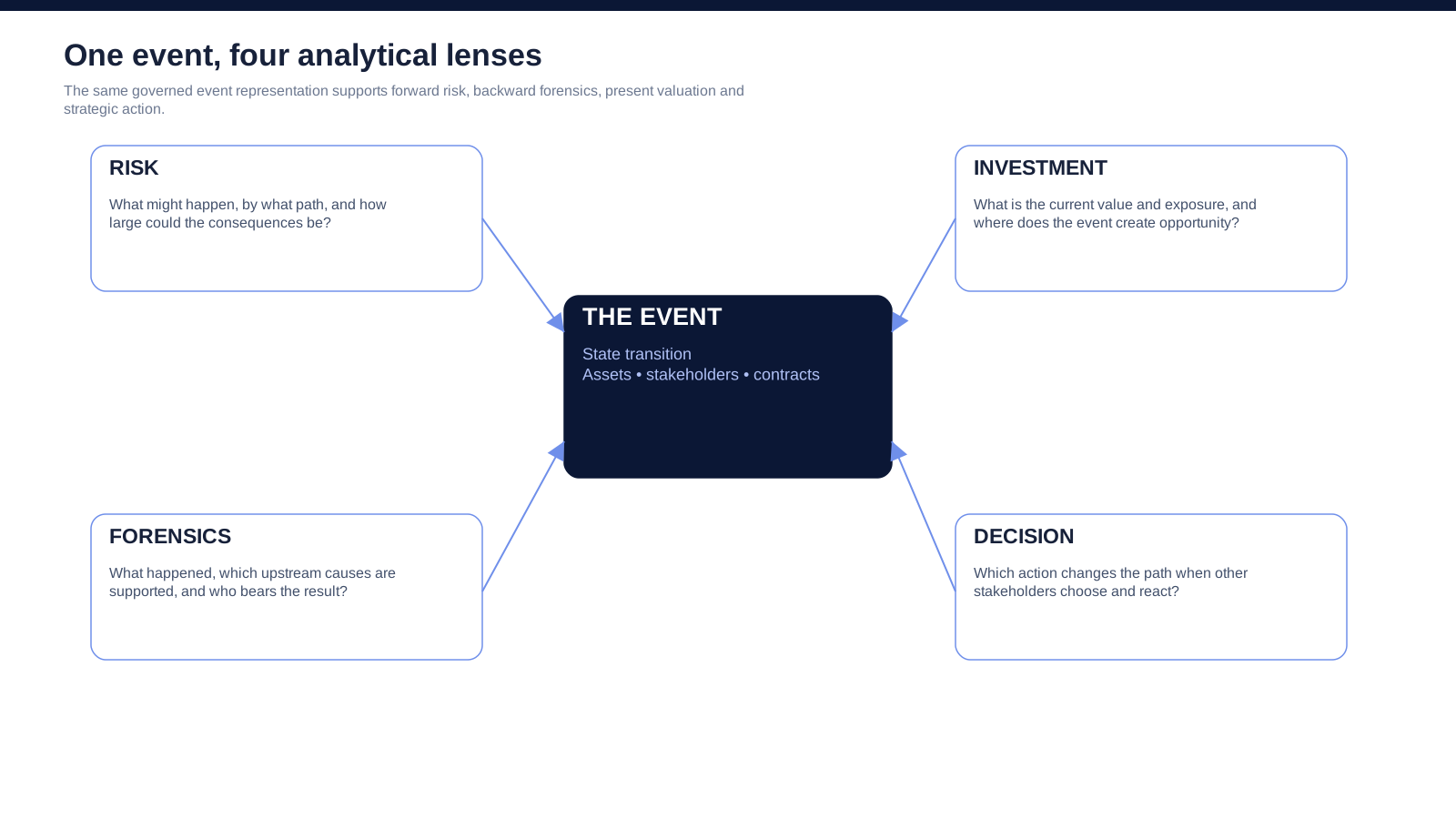
Each world defines its own assets, stakeholders, events, positions, contracts, conditions, regulations and models. Kindynos binds those domain structures to reusable capabilities for identity, valuation, propagation, forensics, investment analysis, decision support and evidence.
Domain-specific models, validated data and evidence deepen each world while the underlying analytical machinery remains shared.
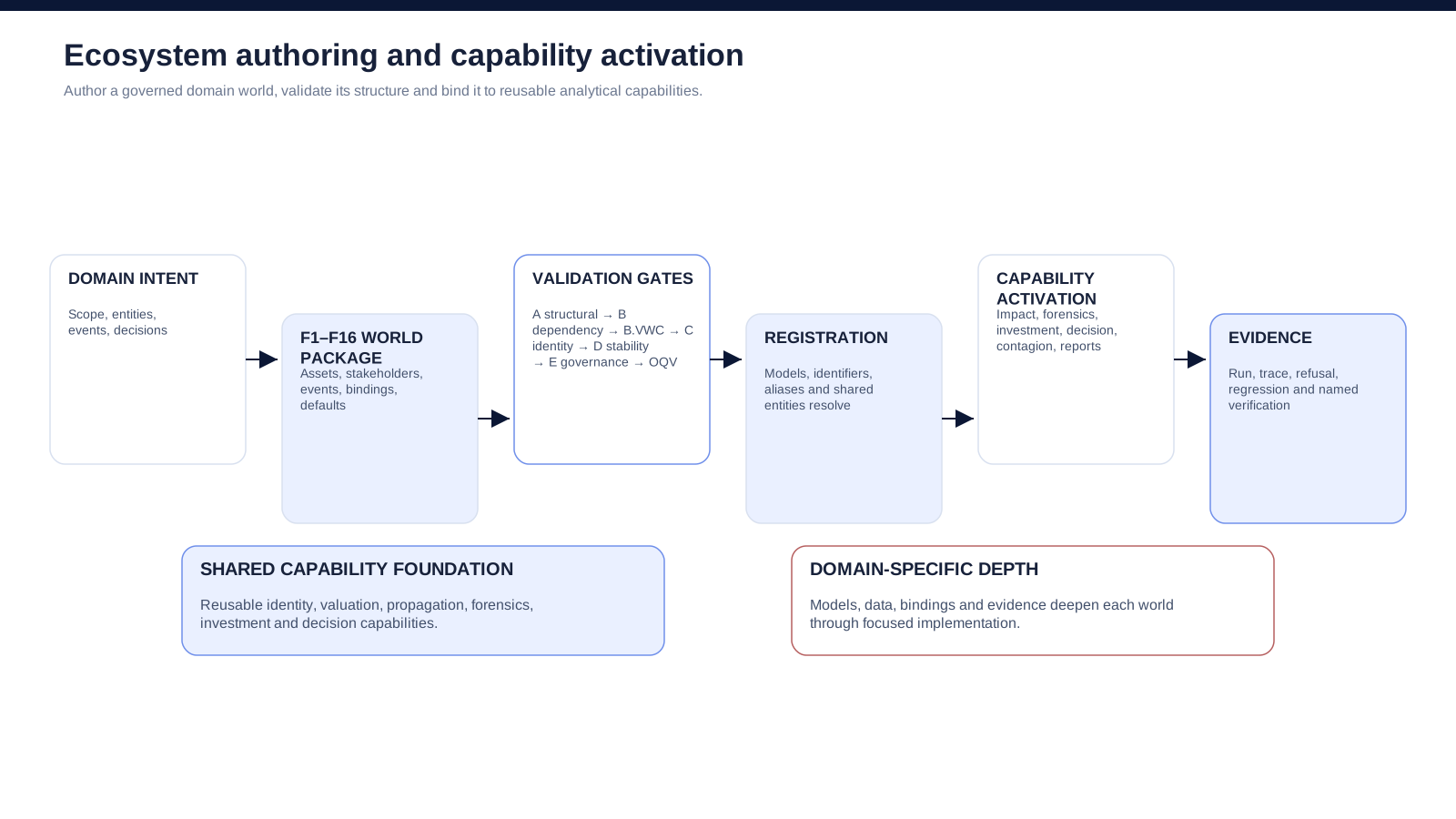
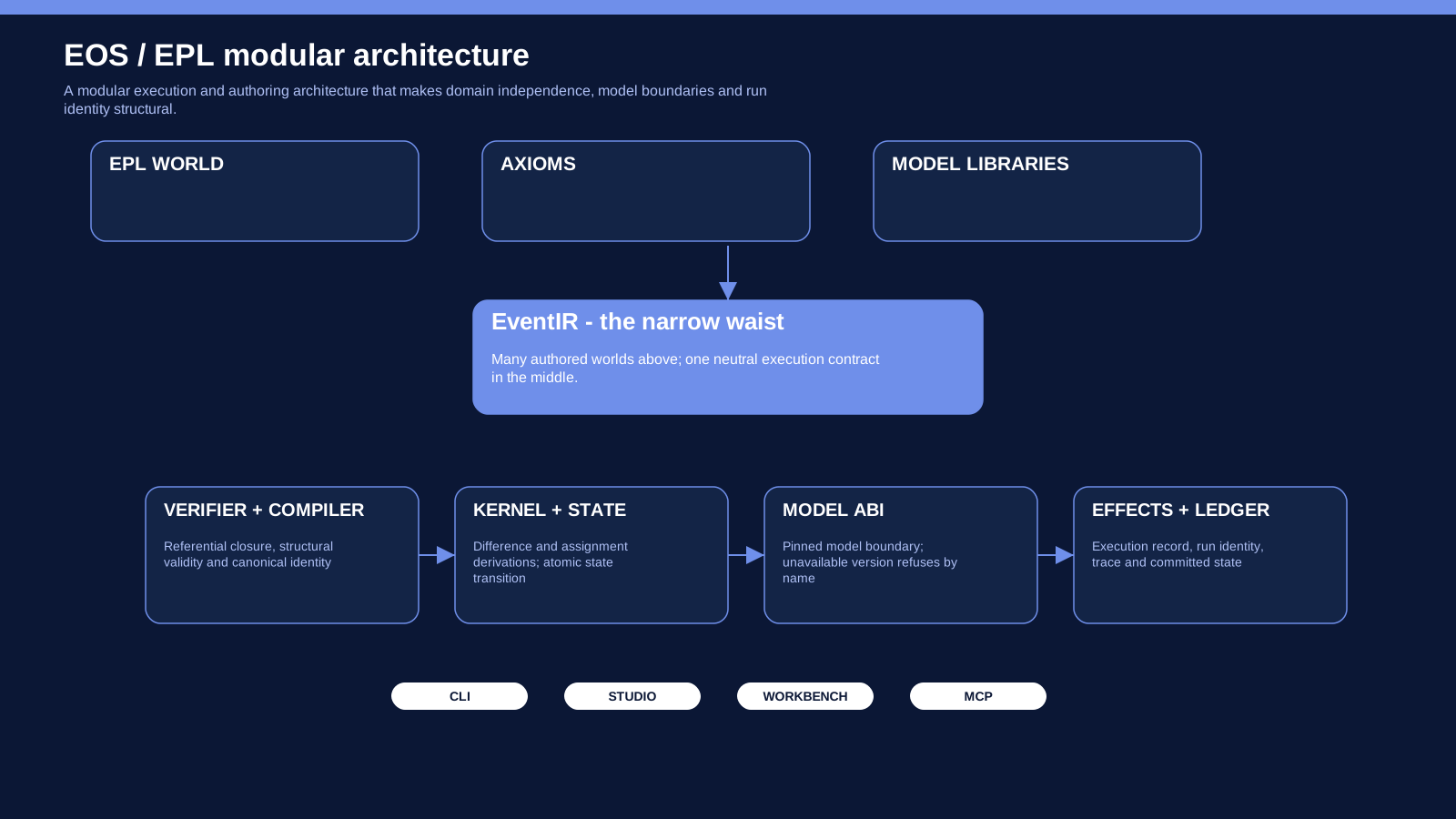
EOS is a domain-independent kernel. EPL is a declarative authoring language compiled into an intermediate representation for governed execution.
EOS/EPL complements EVA by providing declarative world authoring, verification, compiled intermediate representation, governed state transitions, model boundaries, effects and ledger records. Its modular design supports selective interoperability, shared components and additional execution surfaces within the Kindynos estate.
Generative systems support authoring, retrieval, classification, explanation and narrative. Authoritative valuation, state commitment, model-version choice and stakeholder consequence remain within governed analytical paths.
Authoring, discovery, interface interaction, explanation and report preparation.
Deterministic or reproducible execution paths evaluate the authoritative analytical result.
Missing models, inputs or bindings remain visible rather than being converted into plausible fiction.
A focused engagement can begin with one event, portfolio, case, decision or domain world and the systems it crosses.